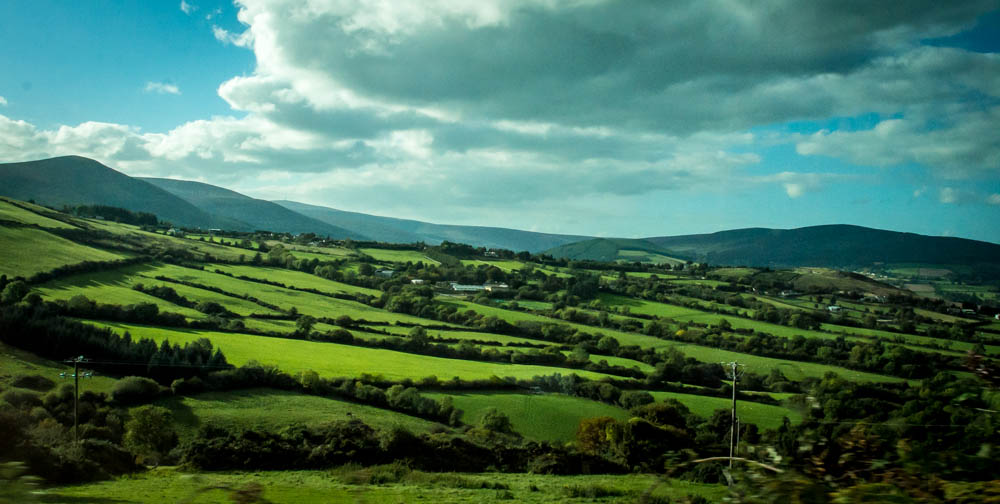
Our Ireland trip was billed as ten days of Pew & Pubs.  It was all wonderful, but I thought I would share a few castles with you today.
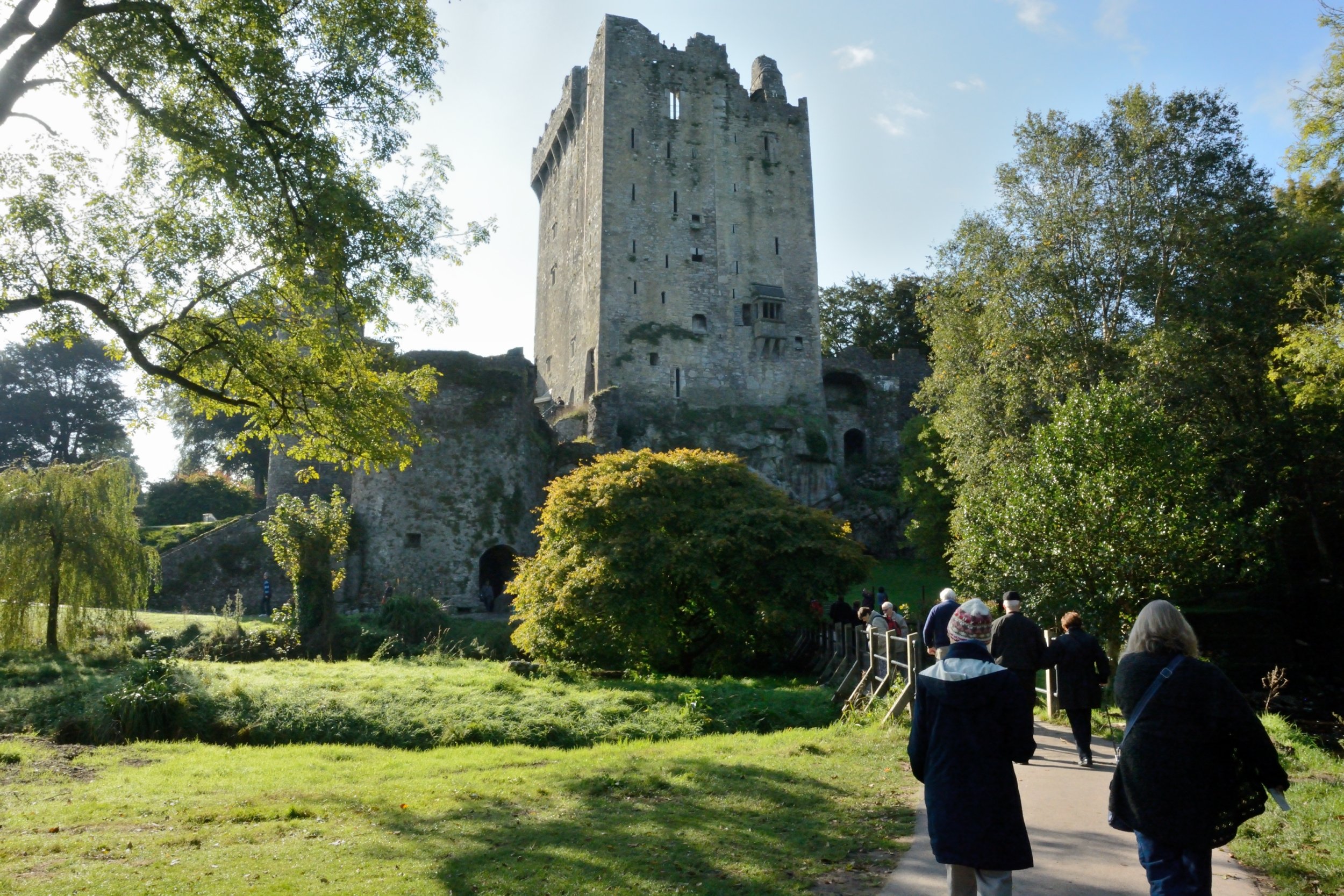
Blarney Castle, near Cork, Ireland. Â Yes, the place where you kiss the stone. Â No, I didn’t, although I did climb the stairs to the top. Â If you want to know why I passed on this opportunity, click HERE. Â I decided to risk not being eloquent. Â The original castle on this site was built in 1200, but this particular version was built in 1446.
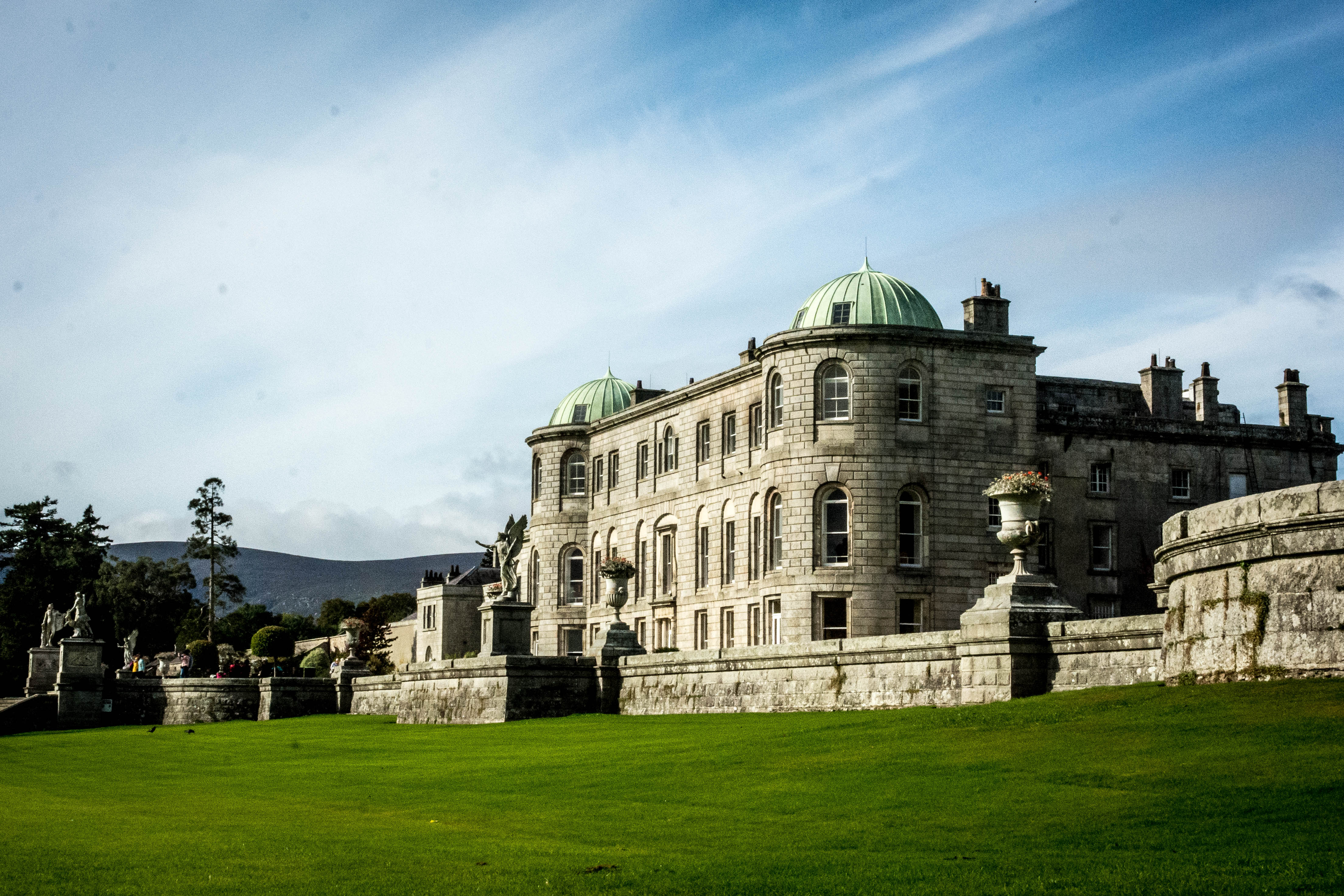
Powerscourt Castle, Enniskerry, County Wicklow, Ireland. Â This castle has fabulous gardens, a small lake, and beautiful wooded grounds totalling 47 acres. Â The original castle was built in the 13th century, then extensively altered in the 18th century. Â A fire in 1974 left the castle as a shell until 1996 when it was completely renovated.
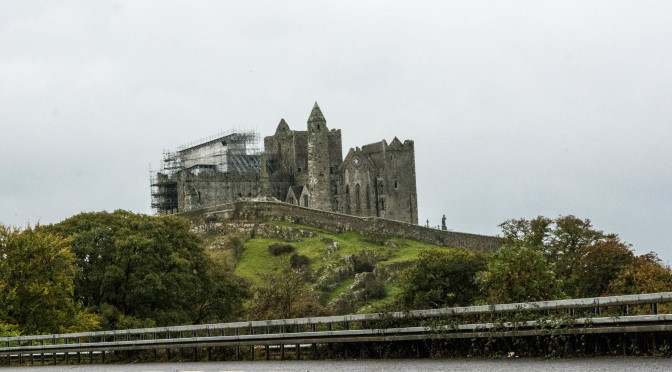
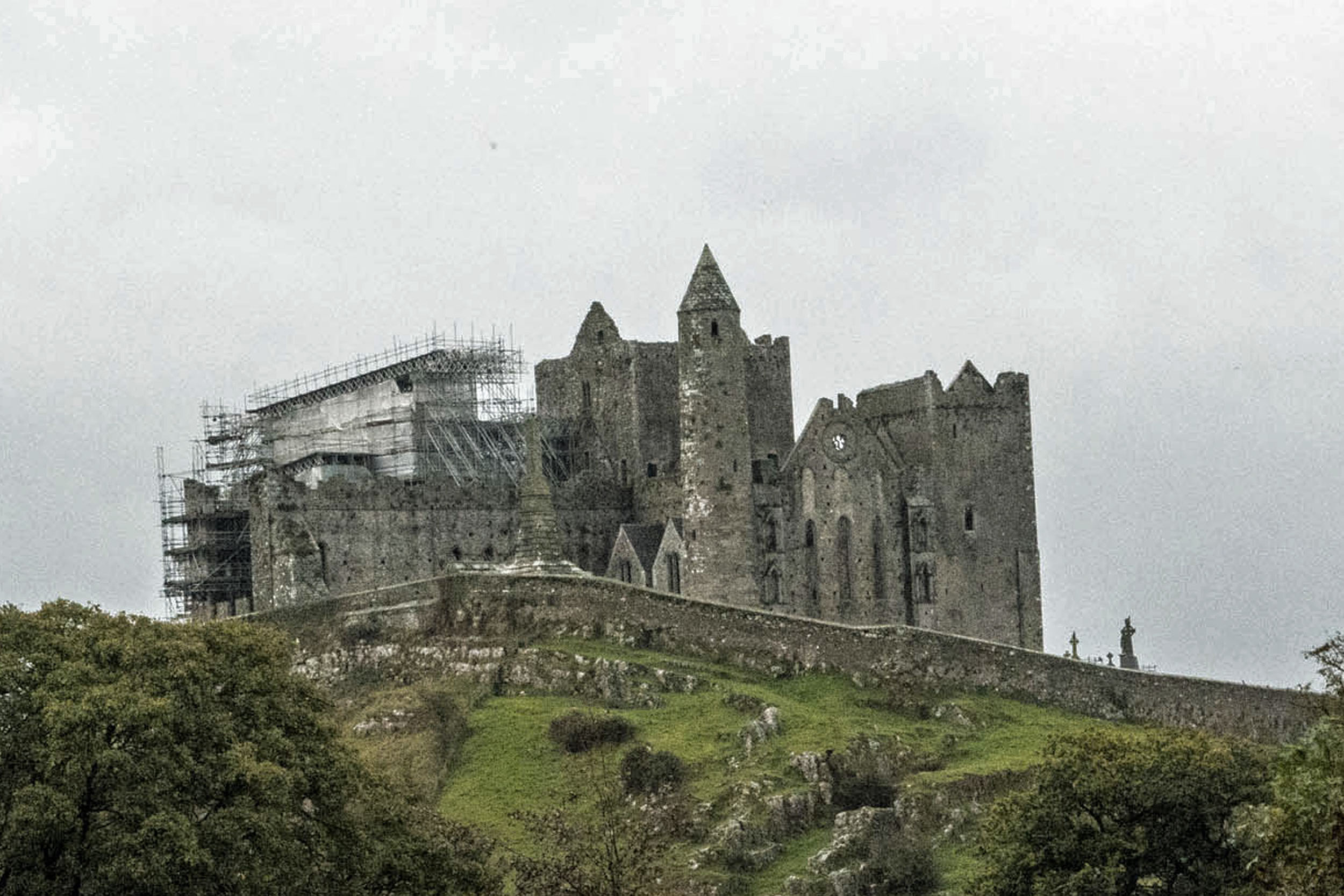
The Rock of Cashel, in Cashel, County Tipperary, Ireland. Â They are doing renovations on part of this fortress. Â The tower dates from around 1100. Â The chapel was consecrated in 1134, and the cathedral was finished in 1270. Â The grounds are walled, with an extensive cemetary within the walls. Â It was interesting to see that it is an active cemetary, with new graves among the ancient ones.
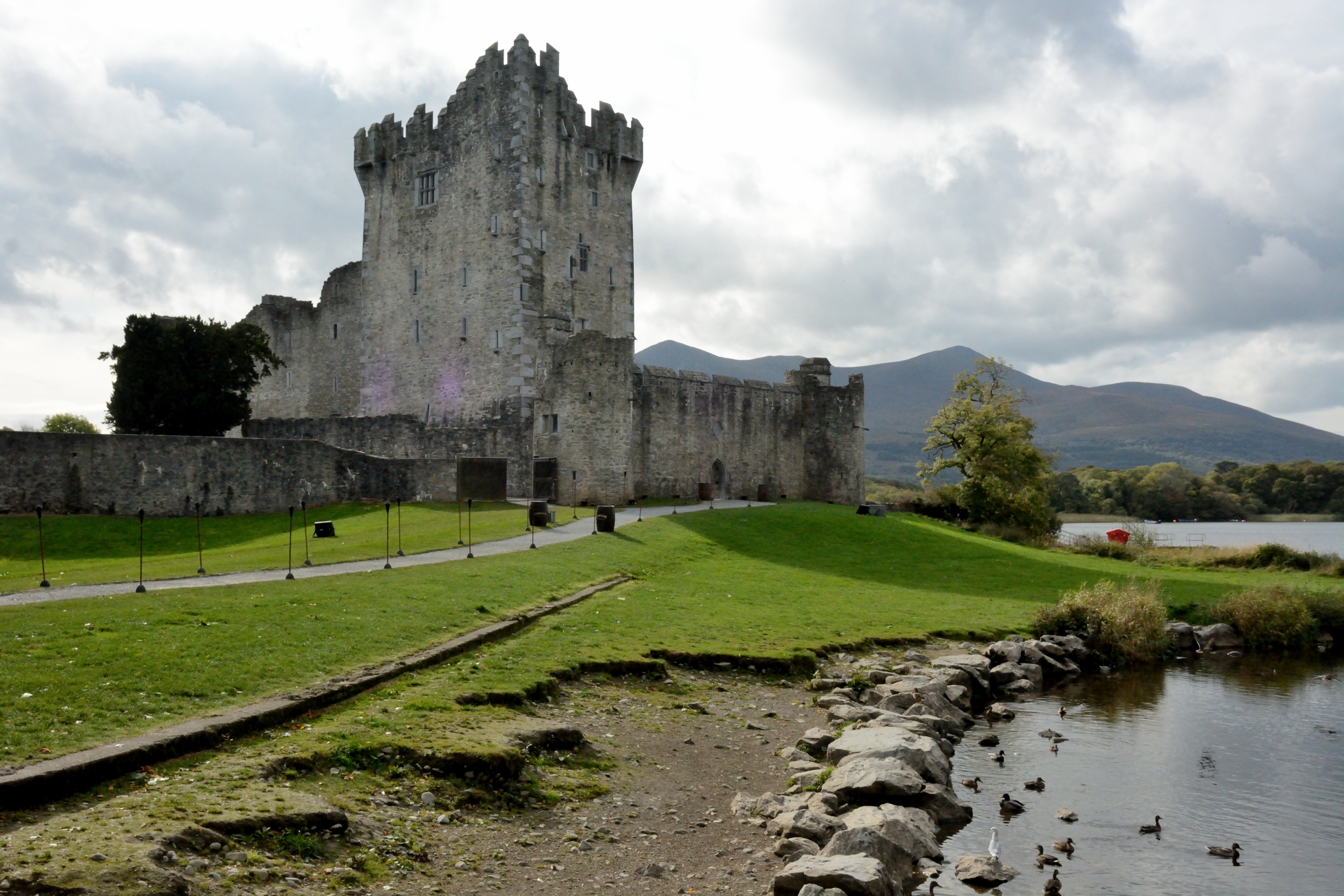
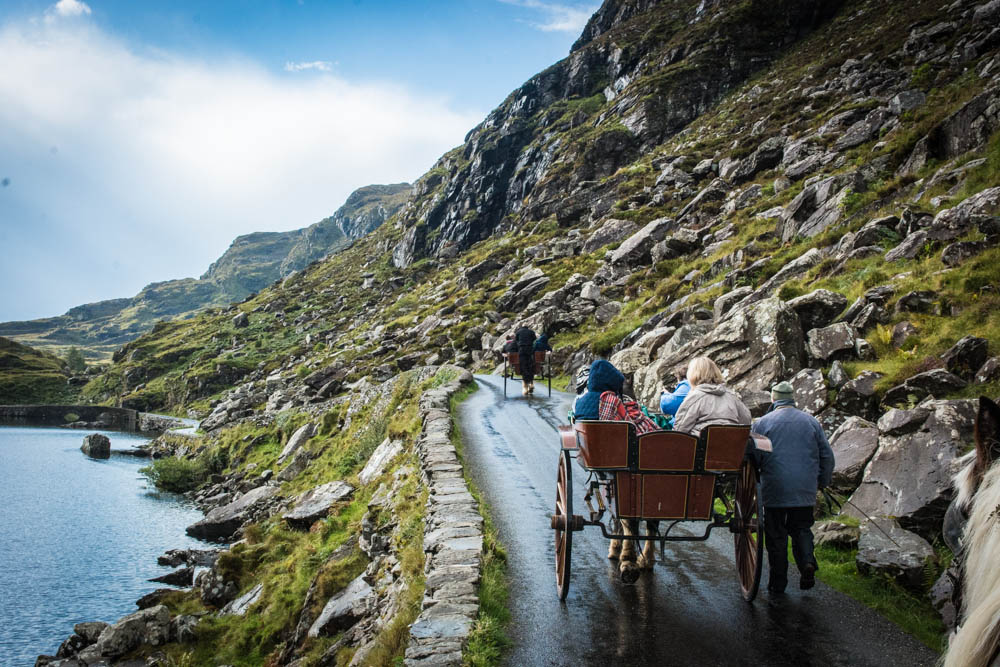
Ross Castle, in Killarney National Park, County Kerry, Ireland.  This stronghold was built late in the 15th century.  When we were there, they were preparing for a celebration at Ross Castle later in the day.  This castle was the ending point for our buggy ride through the mountains, followed by our boat ride through several lakes, then we landed in front of this castle.  Very impressive!
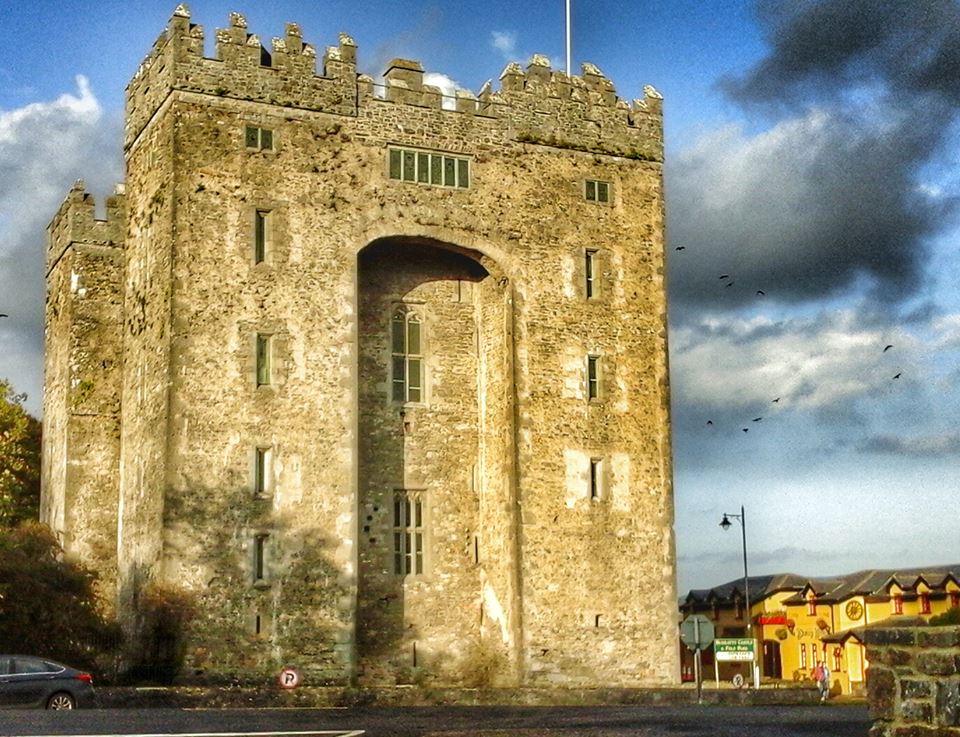
Bunratty Castle, in Bunratty, County Clare, Ireland. Â This is a large, 15th century tower house. Â This is the fourth castle built on this site, built in 1425. Â We had a dinner at Bunratty Castle, sort of a little dinner theater, with musicians and actors in costume.
Castle builders are just like builders nowadays…it’s location, location, location. Â They either chose a high look-out point, a river or lake site.
Sue
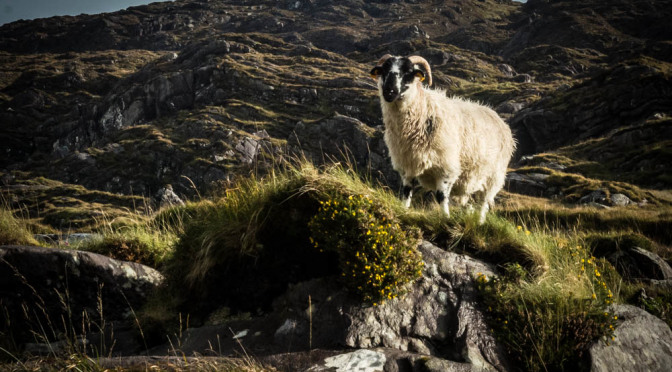
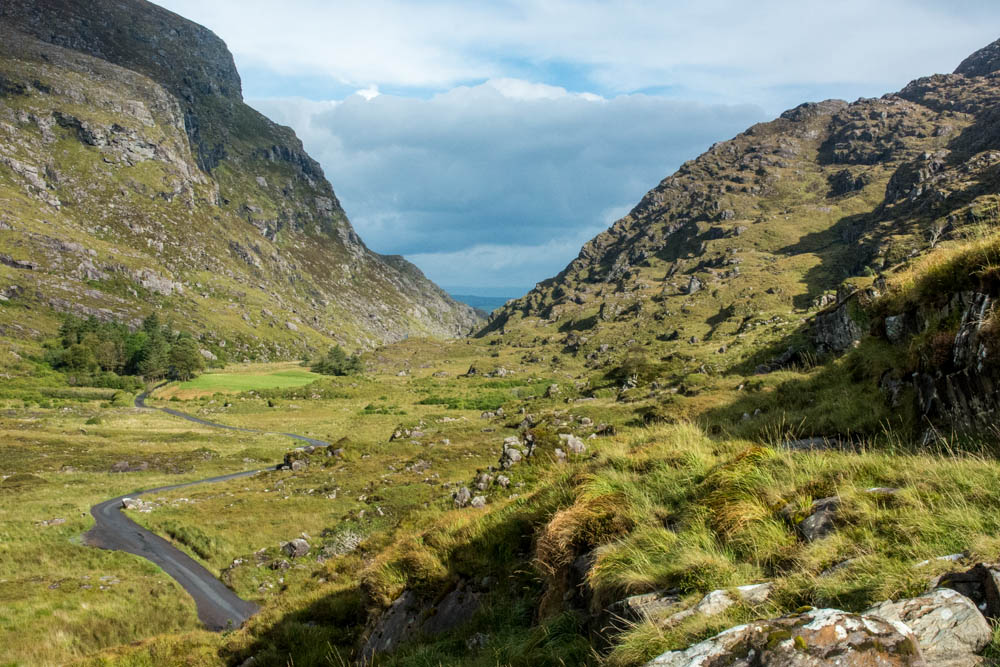
 Ireland is such a beautiful and welcoming country, it was a lovely experience.